 Skip to content
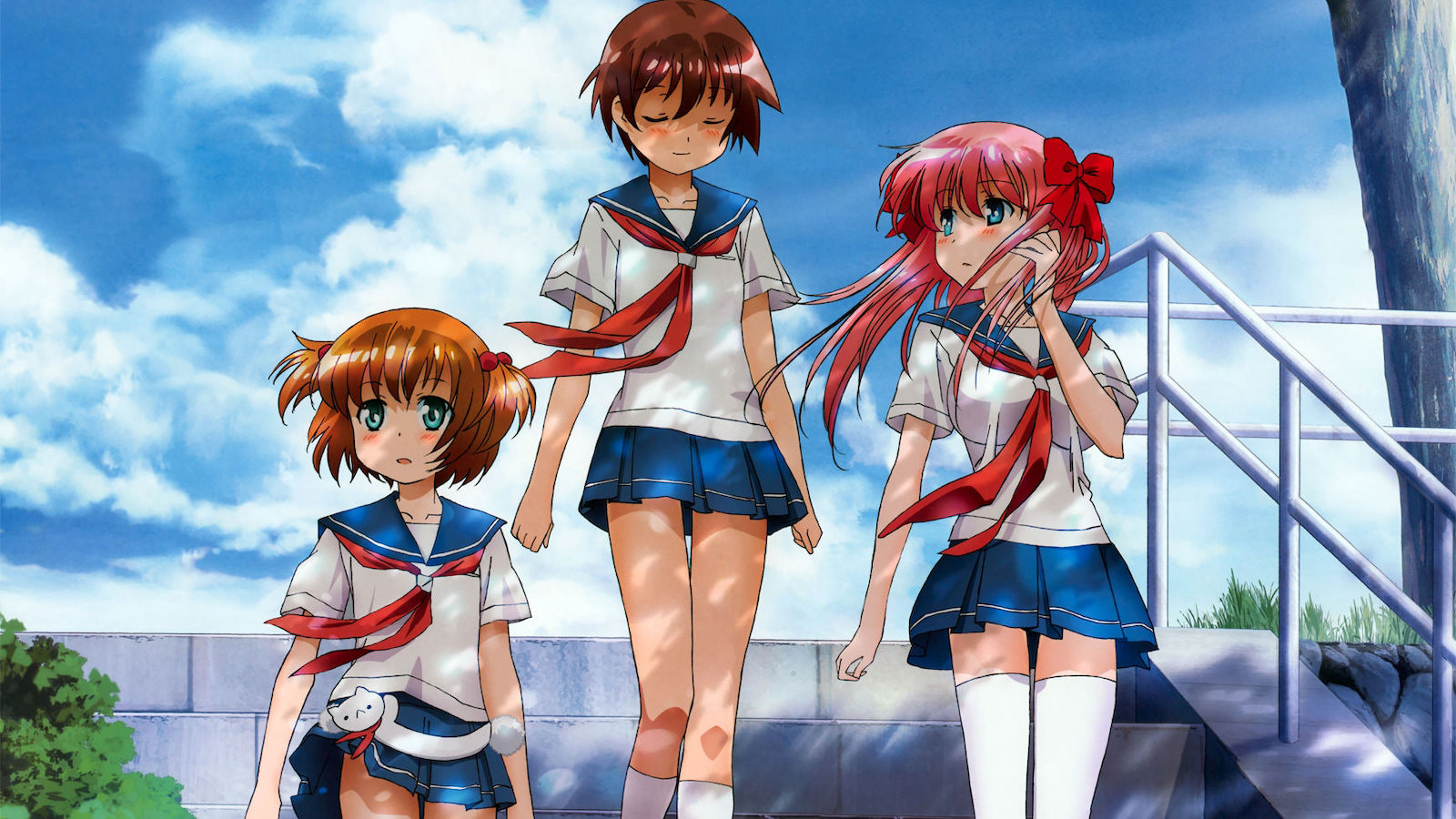
Anime-inspired visuals have become a popular way for musicians to give a song a strong identity. A short music video can turn a tune into a world with its characters, colors, locations and emotional rhythm. Until recently, creating these kinds of visuals typically required illustrators, animators, editors, and a significant production budget.
AI tools are changing the early stages of this process. Freelance musicians can now test character ideas, create scene concepts, and create rough animation sequences without hiring a full production team. The creator can use a The best ai anime video generator Turn a written concept, reference image, or short clip into an anime-inspired video project.
Technology still needs human direction. AI can suggest movement and visual details, but musicians and directors decide what the story should be, which images represent the song, and whether the final video is coherent enough for release.
Why music matches anime visuals
Music and animation both communicate through mood. A song can be energetic, dreamy, nostalgic, dramatic or mysterious. Anime-inspired visuals can express these qualities through color, lighting, character design, and movement.
A quiet poem may use a soft background, slow camera movement, and muted colors. A strong team can go for brighter lighting, fast cuts and strong movement. A visual doesn’t need to explain every lyric verbatim. They can create an emotional world that supports the voice.
This flexibility is useful for genres such as:
- electronic music,
- indie pop
- hip hop
- rock,
- ambient music,
- game inspired tracks,
- Soundtrack projects.
A single song can also support multiple visual versions. One cut may focus on a character, another on abstract movement, and a third on the atmosphere of a location.
From song idea to visual concept
The first step is not to open the AI tool. This is the understanding of the song.
write:
- main emotion
- song tempo
- story or theme
- significant images in poems,
- The moment the music changes
- intended audience,
- The platform where the video will be displayed.
A song about distance can be inspired by trains, empty streets, changing seasons, or two characters separated by light. A high-energy track can suggest racing scenes, neon cities, or fast-moving traffic in a futuristic setting.
The visual concept should be simple enough to guide production. A short video with one clear idea is often more powerful than a collection of linked images.
character development
The characters give the anime-style music video a recognizable center. They don’t need a complicated biography, but the audience needs to understand their role in the song.
Start with a few decisions:
- age range or general identity,
- clothing direction
- color palette,
- hairstyle,
- emotional expression,
- relationship with the environment,
- An important object or symbol.
Keep the description consistent across scenes. If a character’s hair, coat, or eye color changes with each shot, the video may be off.
AI tools can help create character references, but the team must choose one design before creating multiple scenes. Save the selected reference image and use it as a guide for further work.
Building a visual world
The setting helps build the atmosphere of the song. It can be a beach town, a school roof, a crowded city, a quiet bedroom, a desert road or a fictional landscape.
When creating the world, keep in mind:
- time of day
- the weather
- primary colors
- light sources,
- repeating places
- subjects related to poems,
- How does the camera move?
A coherent world makes the individual shots feel interconnected. Even if the video contains different locations, repeating colors or symbols can give the sequence a distinct visual identity.
Matching the scenes to the music
The editing should match the structure of the music. Highlight important moments such as:
- introduction,
- first verse
- advance team
- the team
- bridge,
- last team
- other.
Then decide what should happen visually in each section. An introduction may suggest a setting. A poem can follow a character. A team may reveal a wider world or a major movement. The bridge can change color or perspective.
AI-generated clips don’t have to be long. Several short shots can be edited together to match the beat and keep the video lively.
Image-video and text-video workflows
Musicians can start from a written description or from a prepared image.
A text-based workflow is useful for concept development. It helps test ideas such as a character walking through a rain-covered city or a lighted train moving through a nightscape.
An image-based workflow gives more control over composition and character appearance. A creator can prepare a reference image, then request gentle motion, camera movement, or environmental changes.
Both approaches benefit from a clear call. Describe subject, setting, movement, camera direction, color and mood. Avoid adding too much detail to a single request.
Shorter clips are easier to control
AI video generation usually works best when each clip has one distinct action. Examples include:
- character facing camera
- hair moves in the wind
- The lights go down the street
- the train leaves the station
- hand opens letter
- Clouds will move over the roof.
Trying to generate an entire music video in one go often results in inconsistent characters and unclear timing. Shorter clips give the editor more control and make it easier to modify weak results.
The final music video can be assembled from many short shots that share a common visual direction.
Natural preservation of movement
Anime-inspired animation can be stylized, but the movement still needs a clear purpose. The character does not need to move realistically, but the direction and timing must make sense.
Check:
- Whether the subject is moving in the intended direction,
- Does the camera speed match the music?
- Do the hands and face remain steady?
- Does the background move consistently?
- Does cutting occur at useful musical moments?
If the generated motion looks unstable, use a shorter clip or replace it with a still image and a slow motion effect.
Montage and rhythm
Editing links the generated footage to the song. Use the music as a guide for tempo.
Fast sections can be used:
- short clips,
- quick cut
- flashing lights,
- camera movement
- Repetitive visual motifs.
Slow sections can be used:
- long shots
- gentle zoom,
- smooth transitions,
- still frames
- Wide landscape views.
Don’t add movement just because a tool can create it. A still moment can be more powerful when the image remains.
text and screen text
Songs can appear as subtitles, decorative text or as part of a scene. Save the important words to read and put them in a place that doesn’t involve the main character.
A simple text style can work better than animated letters that compete with the music. Time it carefully so the audience can read each line before it disappears.
If the video is intended for multiple platforms, prepare different captions for vertical, square and landscape versions.
Consistency issues to watch for
AI-generated music videos can have:
- change the shape of the face,
- different clothes between scenes,
- unsteady hands
- modified logos or tools,
- change background,
- inconsistent lighting,
- unreadable signs
- Unexpected camera movements.
These issues are easier to manage when the creator creates short shots and arranges them according to the scene. Save approved clips in a separate folder and remove weak variations from the working timeline.
Sound and visual rights
The musician must have permission to use the song, samples and vocal recordings. Visual assets must also be suitable for the intended release.
Be careful:
- Copyrighted characters,
- recognizable logos,
- pictures by other artists,
- Fan art used without permission,
- Voices that mimic real performers
- Stock footage with limited licenses.
Inspired by anime does not mean that all anime characters or famous visual references are free to use. Describe original visual qualities and create a different world for the song.
Disclosure of AI assistance
Some platforms, audiences, or collaborators may expect creators to explain how visuals were created. The appropriate level of disclosure depends on the project and the rules that apply.
In simple terms, a video can be said to use AI-assisted animation or generated visual elements. This helps set expectations and makes the production process part of the creative story.
The disclosure is particularly useful when the video is an apparent live performance, real location, or documentary-style moment that was created or heavily modified using artificial intelligence.
Practical manufacturing workflow
A small music team can follow this process:
- Listen to the song and identify its emotional structure.
- Write a short visual brief.
- Choose a character and color direction.
- Create reference images.
- Create short scene tests.
- Choose clips that match the beat.
- Change them to a full track.
- Add lyrics, titles and credits.
- Review continuity and rights.
- Export versions for each platform.
This workflow keeps the creative decision with the musician while allowing AI to accelerate visual exploration.
Choosing the right level of detail
Not all music videos need complicated character animation. Some songs may work better:
- animated wallpaper,
- moving still portraits,
- abstract color changes,
- silhouettes,
- repeating characters,
- Easy camera movement.
A clear visual concept with limited movement can be more intentional than a crowded sequence of unstable effects.
The right level of detail depends on the song, release schedule, budget and audience. AI gives creators more options, but the final video still benefits from restraint.
conclusion
AI tools make anime-style music videos more accessible to independent musicians. They can help turn a song idea into characters, locations, short animated clips and social-ready edits without the need for a full animation studio.
The most effective workflow starts with a clear visual concept and uses AI for controlled experimentation. Short clips, consistent cues, careful editing, and human review are more valuable than generating large amounts of disconnected footage.
When the visuals support the emotional structure of the music, an anime-inspired AI video can give a song a memorable identity while leaving room for original storytelling and personal direction.


